

Published
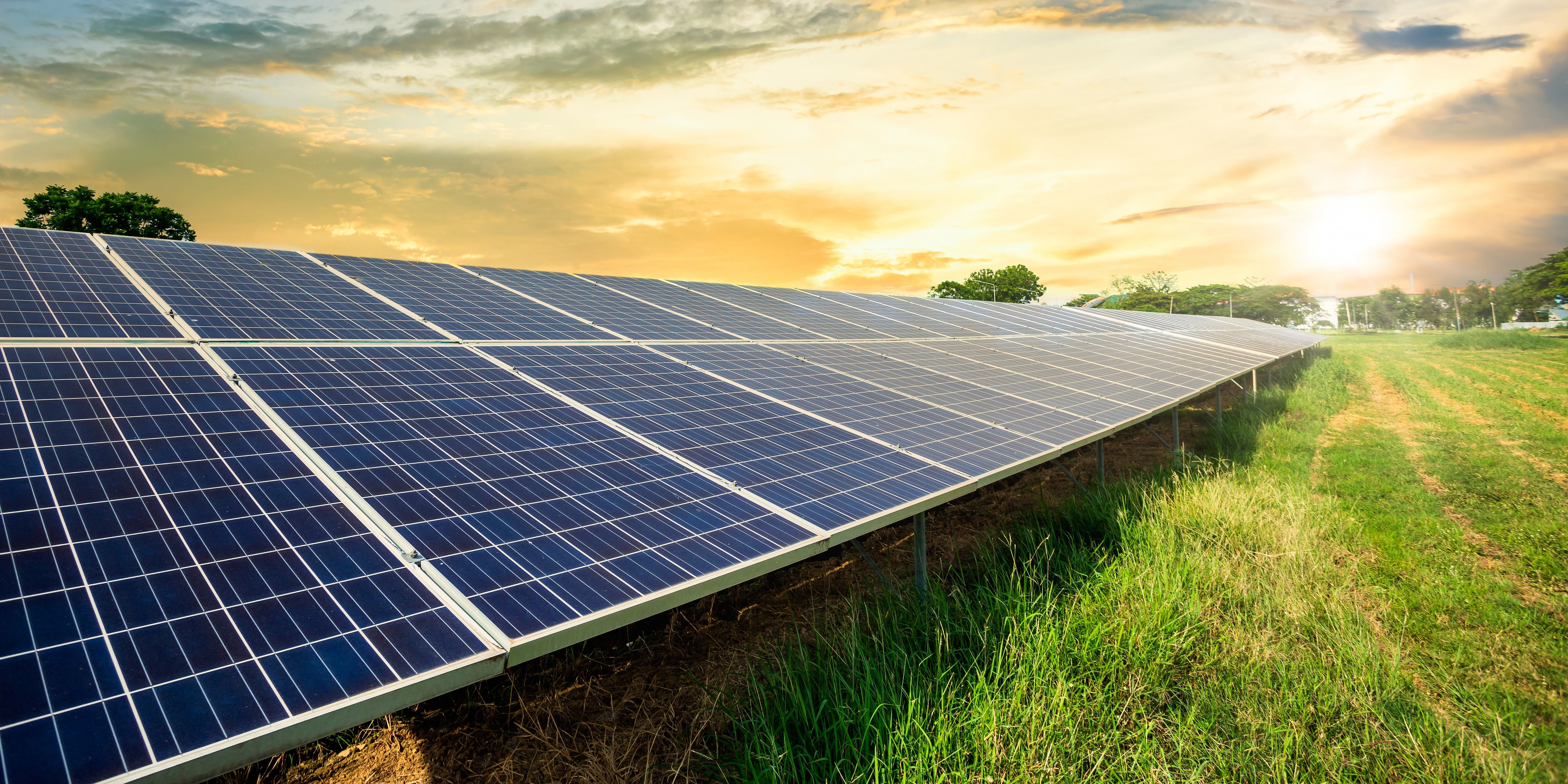
Kazakhstan, with its vast territory, holds immense potential for the development of cheap solar and wind energy. As of mid-2023, the country had a share of 5% variable renewable generation (vRES) in its power mix. The national objective is to elevate this proportion to 15% by 2030. Our research shows that significantly higher shares are realistic.
The aim of this study is to present pathways for achieving this share of 15% as well as even higher shares of vRES. Critically, the pathways presented in this paper minimize power system costs and ensure security of supply while phasing down carbon intensive coal-fired power generation. Transitioning away from coal is a particularly important contribution towards reaching Kazakhstan’s climate targets.
This study also underscores the significant opportunities and advantages for the wider energy sector and the whole economy associated with rapidly increasing the share of vRES. It also proposes solutions to multiple challenges that arise on the way, such as cost-effective grid integration of wind and solar PV, the necessary transformation of combined heat and power (CHP) systems, and the social implications of coal usage.
Publication number: 319/01-S-2024/EN
Journal
Agora Energiewende (2024)
Authors
Tatiana Lanshina
Agora Energiewende
Christian Redl
Agora Energiewende
Long Nguyen
Agora Energiewende
Martha Maria Frysztacki
Open Energy Transition